 Top 10 Tips for Moving Heavy Objects Without Scratching Hardwood Floors
Hardwood floors add warmth, beauty, and value to your home, but moving heavy furniture and appliances can quickly leave scratches, dents, and other damage behind. Whether you’re rearranging your living room, moving into a new house, or replacing a refrigerator, protecting your hardwood floors should be a priority.
Even a small piece of dirt trapped beneath a furniture leg can scratch the finish. Heavy appliances and furniture can also leave permanent dents if their weight isn’t properly supported.
At Tom & Peter Flooring, we’ve seen how easily hardwood floors can be damaged during moving and remodeling projects. Fortunately, with the right tools and a little preparation, most of this damage can be prevented.
Here are our 10 best tips for moving heavy furniture and appliances without scratching hardwood floors.
1. Clean Your Hardwood Floors Before Moving Furniture
Before moving anything heavy, thoroughly clean the area where the furniture will travel.
Small particles of sand, dirt, and debris can become trapped beneath furniture legs, sliders, or moving equipment. As the furniture moves, these particles can act like sandpaper and leave scratches in the floor’s protective finish.
To prevent damage:
- Vacuum using a hardwood-safe floor attachment.
- Remove dirt and debris from the entire moving path.
- Check underneath furniture legs for trapped particles.
- Make sure furniture sliders and moving equipment are clean.
- Allow the floor to dry completely before moving anything.
Pro tip: Never slide furniture across a dirty hardwood floor, even when using protective pads.
2. Never Drag Heavy Furniture Directly Across Hardwood Floors
One of the most common causes of scratched hardwood floors is dragging furniture without proper protection.
Heavy tables, dressers, couches, and cabinets can damage the finish or create deep gouges when pulled across the wood.
Whenever possible, lift furniture completely off the floor rather than pushing or dragging it.
For particularly heavy items, ask another person for assistance or use appropriate moving equipment.
Remember that hardwood floors can be damaged by both friction and concentrated weight. Even furniture with smooth legs can cause scratches or dents.
3. Use Furniture Sliders Designed for Hardwood Floors
Furniture sliders can make moving heavy objects much easier, but choosing the correct type is essential.
Sliders designed for carpet are different from those intended for hardwood and other hard surfaces.
For hardwood floors, look for sliders with soft, nonabrasive contact surfaces specifically approved for finished wood flooring.
To use furniture sliders safely:
- Select sliders appropriate for the furniture’s weight.
- Make sure the bottom of each slider is clean.
- Lift each furniture leg carefully and position the slider underneath.
- Move the furniture slowly and evenly.
- Avoid sudden turns or excessive pressure on one corner.
Never assume that every plastic furniture slider is safe for hardwood floors. Hard or damaged surfaces can scratch the finish.
4. Protect Your Hardwood Floors With Moving Blankets and Floor Protection
Moving blankets can help protect furniture and prevent accidental contact with walls, doorframes, and surrounding surfaces.
However, when moving very heavy furniture or appliances, blankets alone may not provide enough protection against dents.
For heavy loads, use rigid, load-rated floor protection suitable for finished hardwood flooring.
Depending on the project, protective materials may include specialized floor protection panels or boards designed to distribute weight.
Make sure protective materials are clean, stable, and won’t slip while furniture is being moved.
Important: Avoid applying ordinary adhesive tape directly to finished hardwood floors. Some adhesives can damage the finish or leave residue.
5. Use a Furniture Dolly With Non-Marking Wheels
A furniture dolly can help move large, heavy objects while reducing the need to drag them across the floor.
However, not every dolly is suitable for hardwood flooring.
Hard wheels, trapped debris, and concentrated pressure can leave marks or dents.
When using a dolly:
- Choose equipment appropriate for the object’s weight.
- Inspect wheels for dirt, stones, or damage.
- Use non-marking wheels when appropriate.
- Protect the moving path with suitable load-rated floor protection.
- Move slowly and avoid sharp turns.
- Keep the load stable and properly secured.
For extremely heavy furniture or appliances, consider hiring professional movers with equipment designed for the task.
6. How to Move a Refrigerator Without Scratching Hardwood Floors
Refrigerators are among the most challenging appliances to move across hardwood flooring.
Their weight, wheels, and metal components can cause scratches, dents, or damage to the floor’s protective finish.
Before moving a refrigerator, follow these precautions:
Empty and prepare the refrigerator.
Remove food and loose items to reduce weight. Secure shelves, drawers, and doors according to the manufacturer’s moving instructions.
Protect the entire moving path.
Use rigid, load-rated floor protection designed for finished hardwood. Make sure the protective surface remains stable as the appliance moves.
Use appropriate moving equipment.
An appliance dolly or other equipment rated for the refrigerator’s weight can help move it safely. Follow the manufacturer’s instructions regarding tilting and transportation.
Avoid rolling directly on exposed hardwood.
Refrigerator wheels can concentrate significant weight onto small areas, potentially causing dents even if they don’t visibly scratch the finish.
Move slowly and carefully.
Have another person assist when needed, and avoid sudden movements or changes in direction.
Taking a few extra minutes to protect your flooring can help prevent expensive damage during appliance replacement or kitchen remodeling.
7. Remove Drawers and Other Items Before Moving Heavy Furniture
Reducing the weight of furniture makes it easier to move and helps lower the risk of accidents.
Before moving a dresser, cabinet, desk, or entertainment center, remove loose and removable contents.
This may include:
- Drawers
- Books and decorative items
- Electronic equipment
- Removable shelves
- Loose accessories
Make sure doors and other moving parts are secured.
Lighter furniture is generally easier to lift and control, reducing the temptation to drag it across your hardwood floors.
8. Install Felt Pads Under Furniture Legs
Felt furniture pads are a simple and inexpensive way to protect hardwood floors from everyday scratches.
They are especially useful for chairs, tables, stools, and other furniture that moves frequently.
Choose high-quality felt pads designed for hardwood flooring and appropriate for the furniture’s weight.
Before installation, clean the furniture legs and ensure the pads are securely attached.
Inspect them regularly because worn pads can expose hard furniture legs or collect abrasive dirt.
Keep in mind that felt pads are primarily intended for everyday furniture movement. They may not provide sufficient protection when moving extremely heavy objects.
9. Ask for Help When Moving Large or Heavy Objects
Trying to move heavy furniture alone can damage your floors and increase the risk of injury.
Large couches, solid wood tables, dressers, and appliances can be difficult to control, especially when navigating narrow hallways, doorways, or stairs.
Before moving:
- Plan the route and clear obstacles.
- Measure doorways and furniture dimensions.
- Identify safe lifting points.
- Use proper lifting techniques.
- Ask for assistance when necessary.
- Use professional movers for objects that are too heavy or awkward to handle safely.
Avoid twisting your body while carrying heavy items, and never attempt to catch a falling appliance or large piece of furniture.
Protecting your floors is important, but personal safety always comes first.
10. Inspect Your Hardwood Floors After Moving Furniture
Once the furniture is in its new location, take a few minutes to inspect your hardwood floors.
Look for scratches, dents, scuff marks, or damage caused by moving equipment.
Remove any dirt or debris and clean the area using products recommended for your floor’s finish.
If you notice a scratch, avoid immediately applying household oils, waxes, or abrasive cleaners. Some products can make the damage more noticeable or interfere with future professional repairs.
For minor surface marks, an appropriate hardwood floor maintenance product may help. Deeper damage may require professional attention.
What to Put Under Heavy Furniture to Protect Hardwood Floors
Different furniture and appliances require different types of floor protection.
| Item |
Recommended protection |
| Dining chairs |
High-quality felt pads |
| Sofas and tables |
Felt pads for stationary use; hardwood-safe sliders when moving |
| Heavy dressers |
Appropriate furniture sliders or lifting equipment |
| Refrigerators |
Rigid, load-rated floor protection and suitable appliance-moving equipment |
| Washing machines |
Suitable moving equipment and rigid floor protection |
| Office chairs |
Hardwood-compatible casters or an appropriate floor mat |
Always check the manufacturer’s recommendations and weight limits before using any moving product.
Already Scratched Your Hardwood Floors? Here’s What to Do
Even with careful preparation, accidents can happen.
Heavy furniture, refrigerator wheels, and moving equipment can leave scratches or dents in hardwood flooring.
The best repair method depends on the type and depth of the damage.
Light Surface Scratches
Minor scratches affecting only the protective finish may sometimes be improved with appropriate maintenance or professional touch-up methods.
Deep Scratches and Gouges
Scratches that penetrate the protective finish and expose bare wood may require additional repairs, color matching, or sanding.
Dents and Damaged Floorboards
Heavy objects can leave dents or permanently damage individual boards. Depending on the extent of the damage, professional board repair, replacement, or refinishing may be necessary.
When to Consider Professional Hardwood Floor Refinishing
If your floors have extensive scratches, worn finishes, or damage across multiple areas, refinishing may be more practical than attempting numerous individual repairs.
Professional sanding and refinishing can restore the appearance of many hardwood floors without requiring complete replacement.
At Tom & Peter Flooring, we provide professional hardwood floor repair services in Chicago and hardwood floor refinishing throughout Chicago and the surrounding suburbs.
Our experienced craftsmen can evaluate the damage and recommend an appropriate solution.
Frequently Asked Questions About Moving Heavy Furniture on Hardwood Floors
What is the safest way to move heavy furniture on hardwood floors?
Lifting furniture is generally the safest approach when it can be done without injury. For items that cannot be carried, use furniture sliders designed for hardwood floors or appropriate moving equipment with suitable floor protection.
Can furniture sliders scratch hardwood floors?
Yes. Furniture sliders can cause scratches if they are dirty, damaged, or unsuitable for finished hardwood. Always choose sliders designed for hard flooring and keep the contact surfaces clean.
Can you move a refrigerator across hardwood floors?
Yes, but refrigerators require special care because of their weight. Protect the moving path with rigid, load-rated materials and use appropriate appliance-moving equipment. Avoid rolling heavy appliances directly over unprotected hardwood.
Do felt pads prevent scratches on hardwood floors?
Felt pads can help prevent everyday scratches caused by chairs, tables, and other furniture. However, they should be inspected and replaced regularly, and they may not be sufficient for moving extremely heavy items.
How do you move a heavy couch without scratching hardwood floors?
Remove loose cushions and other removable items, then lift the couch with assistance whenever possible. If it must be moved across the floor, use suitable hardwood-safe furniture sliders and make sure the moving path is clean.
Can scratches from moving furniture be repaired?
Many scratches can be repaired or reduced, depending on their depth and the condition of the hardwood. Surface scratches may need minor treatment, while deep scratches or widespread damage may require professional hardwood floor refinishing.
Protect Your Hardwood Floors With Professional Care
Moving heavy furniture doesn’t have to result in scratched or damaged hardwood floors.
With proper preparation, clean surfaces, suitable moving equipment, and protective materials, you can significantly reduce the risk of damage.
If your hardwood floors already have scratches, dents, or worn finishes, professional restoration may help bring back their original beauty.
Tom & Peter Flooring specializes in hardwood floor repairs, sanding, refinishing, custom staining, and installation throughout Chicago and the surrounding suburbs.
Whether you need to repair damage caused by moving furniture or restore the appearance of your entire floor, our team is ready to help.
Contact Tom & Peter Flooring today to request a free estimate.
Office: 847-956-2244
Tom: 773-805-2288
Tom & Peter Flooring Inc. – Professional Hardwood Floor Repair, Installation & Refinishing in Chicago and the Surrounding Suburbs.


 Holiday Decorating
 Is the finish on your hardwood floor fading?
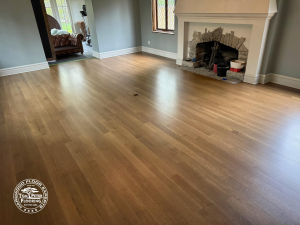 Top 10 Tips for Moving Heavy Objects Without Scratching Hardwood Floors

 Create Your Perfect Elegant Space

 Benefits of the Atomic DCS System:

 If you suspect water damage, the first step is to have the floor’s condition assessed by a hardwood flooring professional. Call


 Proper wood floor acclimation has been a question in many home owners and contractors’ mind prior to installation. Since wood flooring projects are major investment, it is wise to understand the true meaning of acclimation. Under certain circumstances, to wrongly acclimate your wood floor can lead to installation issues. Such as to potentially cause buckling or gapping which the manufacturers’ warranty will not cover.
 Scenario 1


 There are so many options from which to choose when it comes to household flooring. There are different materials, different styles, and different patterns, so you should be able to find the perfect fit for your home. White oak is one of those options, and it is an excellent choice that will work in any home. Here are some reasons why White Oak flooring might be the right choice for you.


